America's Doorstep Economy: When Every Neighborhood Had Its Own Supply Chain
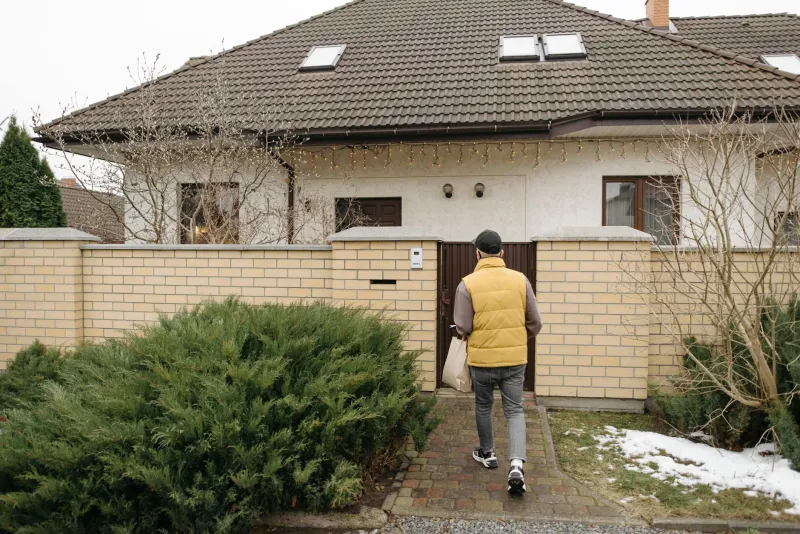
The 6 AM Ritual That Built America
Every morning before sunrise, while most of America still slept, thousands of white trucks rolled through residential streets with a precision that would make Amazon jealous. The milkman's route wasn't just a delivery system—it was the circulatory system of the American neighborhood.
In 1950, nearly 30% of American families had milk delivered to their doorstep. The milkman knew which house took two quarts on Wednesdays, who was lactose intolerant, and which family was expecting a baby. He left glass bottles in insulated boxes, picked up empties, and sometimes even had keys to put perishables directly in the refrigerator.
This wasn't just about milk. The bread truck followed a similar route. The ice man cometh—literally—hauling 25-pound blocks to fill iceboxes. Vegetable peddlers rolled through ethnic neighborhoods with fresh produce. The knife sharpener announced his arrival with a distinctive bell. Even dry cleaning was picked up and delivered weekly.
The Economics of Your Front Porch
This doorstep economy employed millions of Americans in jobs that didn't require college degrees but paid middle-class wages. A milkman in 1955 could support a family of four, own a home, and take a vacation—all while working for the local dairy that served maybe a dozen neighborhoods.
The financial model was brilliantly simple: predictable routes, repeat customers, and minimal overhead. Dairies didn't need massive distribution centers or complex logistics software. They needed trucks, drivers who knew the neighborhood, and relationships built over years of reliable service.
Local businesses thrived because competition was geographic, not global. Your milkman competed with the dairy across town, not with a corporation in another state. Money spent on milk delivery stayed in the community—the driver lived in the neighborhood, the dairy employed local workers, and profits often went to local business owners.
When Shopping Became a Destination
The shift began in the 1960s as suburban sprawl and car culture transformed American life. Supermarkets promised convenience and choice—why wait for the milkman when you could buy a week's worth of groceries in one trip?
The numbers tell the story: In 1950, there were roughly 3,000 supermarkets in America. By 1970, there were over 32,000. Meanwhile, home delivery routes disappeared. The last major milkman route in many cities ended in the 1980s, a casualty of refrigerated trucks, longer shelf life, and the allure of one-stop shopping.
What we gained was obvious: selection, lower prices, and the freedom to shop on our own schedule. What we lost was less visible but perhaps more valuable—the economic ecosystem that supported local employment and the social fabric that came with daily human interaction.
The Delivery Revolution That Isn't New
Today's delivery economy—Amazon Prime, Instacart, DoorDash—feels revolutionary, but it's actually a return to an older model with modern complications. We're paying premium prices for what was once standard service, and we're getting efficiency without community.
Modern delivery employs gig workers instead of career professionals. Today's delivery driver covers hundreds of square miles instead of knowing every house on a dozen streets. The relationship is transactional rather than personal—you rate your driver, not invite them to your wedding.
The economics have flipped too. Where the old system kept money local, today's delivery funnels profits to distant shareholders. The convenience comes with hidden costs: the gig economy's lack of benefits, the environmental impact of individual deliveries, and the gradual erosion of local businesses that can't compete with platform economics.
What We Traded Away
The doorstep economy did more than deliver goods—it delivered social capital. The milkman was often the first to know if an elderly neighbor hadn't picked up their bottles, alerting family or friends to check on them. These delivery routes created informal networks of care that modern Ring doorbells and contactless delivery actively avoid.
The economic ripple effects were profound. Local delivery supported local production. Regional dairies, bakeries, and farms had guaranteed distribution channels. Small businesses could compete because geography mattered more than scale.
When we shifted to car-centric shopping, we didn't just change how we bought milk—we rewired the entire economic structure of American communities. The big box stores and supermarket chains that replaced neighborhood delivery routes concentrated wealth in fewer hands and made local communities dependent on distant supply chains.
The Price of Convenience
As we scroll through delivery apps on our phones, it's worth remembering that we once had a delivery system that employed our neighbors, supported local businesses, and built community connections. Today's version gives us more choice and faster service, but at the cost of the relationships and local economic networks that made neighborhoods feel like, well, neighborhoods.
The milkman's 6 AM route wasn't just about getting fresh dairy to American families. It was about creating an economy that worked at human scale, where business success meant community prosperity, and where convenience came with a side of genuine human connection. We got the convenience back, but we're still figuring out how to rebuild everything else we left behind.