The Butcher Who Knew Your Sunday Roast — Before Plastic Wrapped Our Connection to Dinner
When Meat Had a Face — And So Did Your Butcher
Every Saturday morning, Rose Kowalski walked three blocks to Sal's Meat Market on Federal Street in Pittsburgh, carrying her weekly grocery list and a level of trust that seems almost quaint today. She didn't need to know the difference between chuck roast and bottom round — Sal knew her family ate hearty, that her husband worked the steel mills, that her growing boys needed protein that would stick to their ribs without breaking the bank.
"Mrs. K, I got something perfect for you today," Sal would say, disappearing into the walk-in cooler to return with a cut of beef that wasn't labeled, wasn't packaged, and definitely wasn't pre-priced. It was just meat — good meat — that Sal had broken down from a side of beef that morning, meat he'd recommend based on decades of knowing both animals and appetites.
Rose trusted Sal completely, and Sal earned that trust by knowing his craft inside and out. He could tell you which part of the cow you were buying, how to cook it, how long to age it, and exactly how much your family would need.
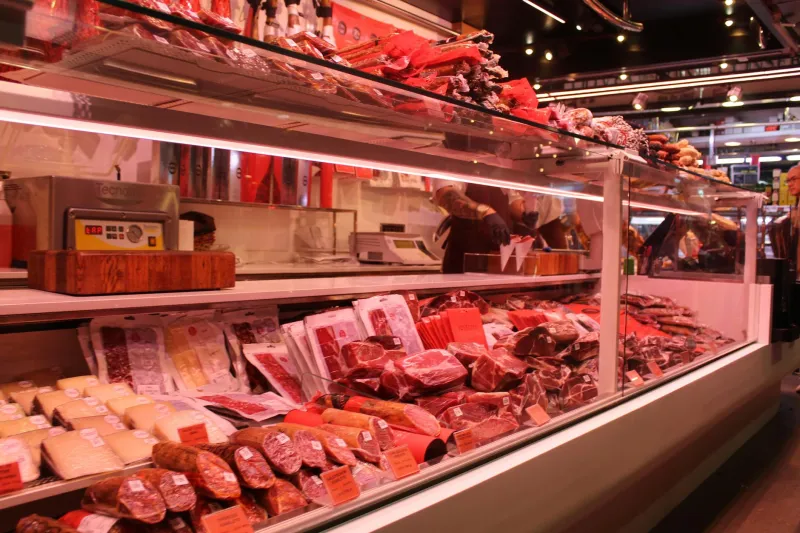
Today, Rose's granddaughter Jennifer stands in the fluorescent-lit meat aisle of a suburban supermarket, staring at identical plastic-wrapped packages with cryptic labels like "beef chuck eye roast" and "USDA Choice," wondering what the difference is and whether she's being ripped off.
The Neighborhood Meat Professor
For most of American history, buying meat meant entering into a relationship with someone who understood both the animal and your family's needs. The neighborhood butcher wasn't just a vendor — he was part educator, part advisor, part community fixture.
These men (and they were almost exclusively men) had served apprenticeships that lasted years. They knew how to break down a 600-pound steer into dozens of different cuts, each with its own cooking method, price point, and ideal use. They understood marbling, aging, and the subtle differences between grain-fed and grass-fed beef long before those terms became marketing buzzwords.
"My father could look at a piece of meat and tell you exactly what the animal ate, how it was raised, and how tender it would be," recalls Anthony Benedetto, whose family ran Benedetto's Butcher Shop in Boston's North End for three generations. "He'd recommend different cuts based on whether you were feeding construction workers or hosting a dinner party."
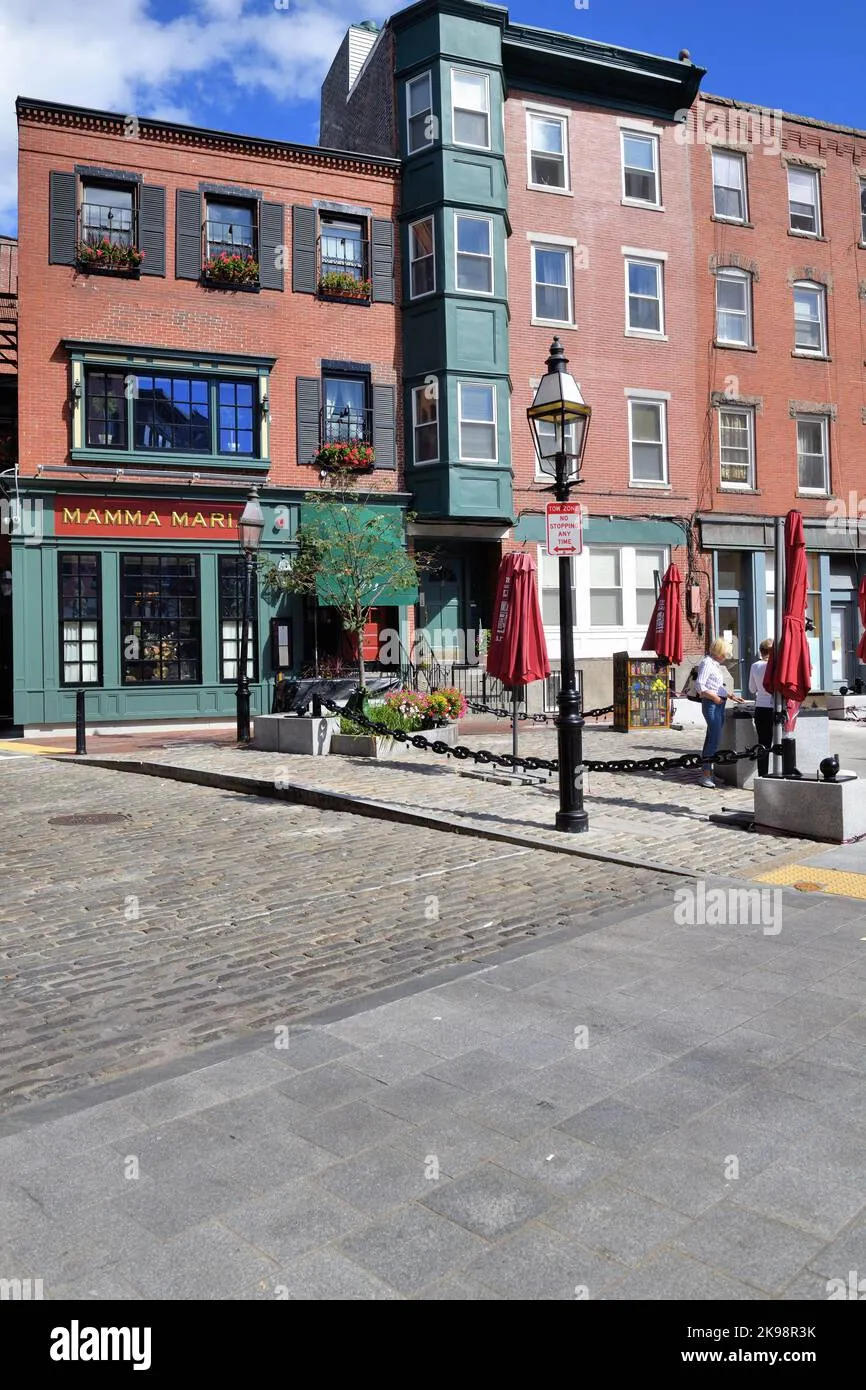 Photo: Boston's North End, via c8.alamy.com
Butchers also served as informal financial advisors for working-class families. They knew which cuts delivered the most nutrition per dollar, how to stretch a small budget across a week's worth of meals, and when to splurge on something special for Sunday dinner.
When Knowing Your Meat Meant Knowing Your Neighborhood
The corner butcher shop was more than a place to buy protein — it was a community institution. Butchers extended credit to families between paychecks, saved the best cuts for their regular customers, and served as informal neighborhood communication hubs.
They also maintained direct relationships with local farmers and slaughterhouses, often knowing the specific farms where their meat originated. This wasn't farm-to-table marketing — it was simply how the system worked. Meat traveled short distances and passed through few hands between pasture and plate.
"Sal knew the guy who raised the cattle, the guy who did the slaughtering, and every family in the neighborhood," remembers Maria Santos, who grew up shopping at Sal's with her mother. "If you wanted to know anything about your dinner — where it came from, how to cook it, what it should cost — Sal was your guy."
This knowledge created a level of food literacy that extended throughout the community. Mothers learned cooking techniques from butchers, children absorbed lessons about different cuts and cooking methods, and families developed sophisticated understanding of meat quality and value.
The Plastic Revolution That Changed Everything
The transformation began in the 1960s with the rise of centralized meatpacking and vacuum packaging. Meat could now be processed in massive facilities, packaged for extended shelf life, and shipped thousands of miles to anonymous supermarkets.
The economics were undeniable. Supermarkets could offer lower prices by buying in enormous volumes and eliminating the skilled labor costs of on-site butchers. Consumers gained convenience — one-stop shopping, standardized packaging, and the ability to compare prices easily.
But something crucial was lost in translation. Meat became a commodity product, stripped of its connection to both source and preparation. The skilled craftsmen who understood every aspect of their product were replaced by minimum-wage workers who restocked pre-packaged products they knew nothing about.
"We went from having meat experts in every neighborhood to having no meat experts anywhere," observes Dr. Marion Nestle, a food policy researcher at NYU. "Consumers gained convenience but lost knowledge."
The Mystery Meat Generation
Today's American shoppers face a bewildering array of plastic-wrapped options with little guidance about what they're actually buying. Ground beef comes in different fat percentages, but most shoppers don't understand what that means for cooking. Steaks carry names like "ribeye" and "sirloin," but few people know which cooking method suits each cut.
This knowledge gap has real financial consequences. Without understanding meat quality and cooking methods, consumers often buy expensive cuts for inappropriate uses or cheap cuts without knowing how to make them tender. The result is both wasted money and disappointing meals.
The packaging itself creates additional distance between consumers and their food. Plastic wrap and styrofoam trays hide the natural appearance of meat, making it difficult to judge quality, freshness, and value. The sterile presentation, while hygienic, eliminates the visual and tactile cues that once helped buyers make informed decisions.
When Walmart Replaced Wisdom
The shift from butcher shops to supermarket meat counters represents more than changing retail formats — it reflects the broader transformation of American commerce from relationship-based to transaction-based.
Sal knew Rose's family, their preferences, their budget, and their cooking skills. He had incentives to build long-term relationships and provide value beyond just competitive pricing. Today's supermarket meat department serves thousands of anonymous customers who are interchangeable units in a volume-driven business model.
This transformation parallels changes across American retail, from hardware stores to pharmacies to bookshops. Specialized knowledge has been replaced by operational efficiency, personal service by self-service, and community connections by corporate systems.
The True Cost of Cheap Protein
The industrialization of meat production has delivered on its promise of lower prices and greater convenience. Americans now spend a smaller percentage of their income on food than any generation in history, and meat is available year-round in every corner of the country.
But the hidden costs are substantial. The loss of food literacy has contributed to poor cooking skills, food waste, and disconnect from agricultural systems. The concentration of meat production in massive facilities has created environmental and public health challenges that weren't present in the era of local slaughterhouses and neighborhood butchers.
Perhaps most importantly, Americans have lost the sense that their food choices matter beyond price and convenience. When you knew your butcher, you understood that meat came from specific animals raised by specific farmers using specific methods. Today's plastic-wrapped anonymity makes it easy to ignore the complex systems that bring protein to our plates.
Cutting Through the Packaging
The story of America's butcher shops reveals how efficiency gains can create knowledge losses that persist for generations. We've optimized the meat supply chain for cost and convenience while eliminating the human expertise that once guided food choices.
Rose Kowalski never worried about whether she was buying the right cut of meat or paying a fair price — Sal's expertise was included in the service. Her granddaughter Jennifer has access to cheaper, more convenient options but must navigate those choices without the guidance that once came standard with every purchase.
In replacing craftsmen with systems, we've gained efficiency but lost wisdom. And unlike the plastic-wrapped packages that fill today's meat aisles, that kind of knowledge can't be easily restocked once it's gone.