Dear Friend: When Americans Wrote Letters Like Their Lives Depended on It
When Words Had Weight
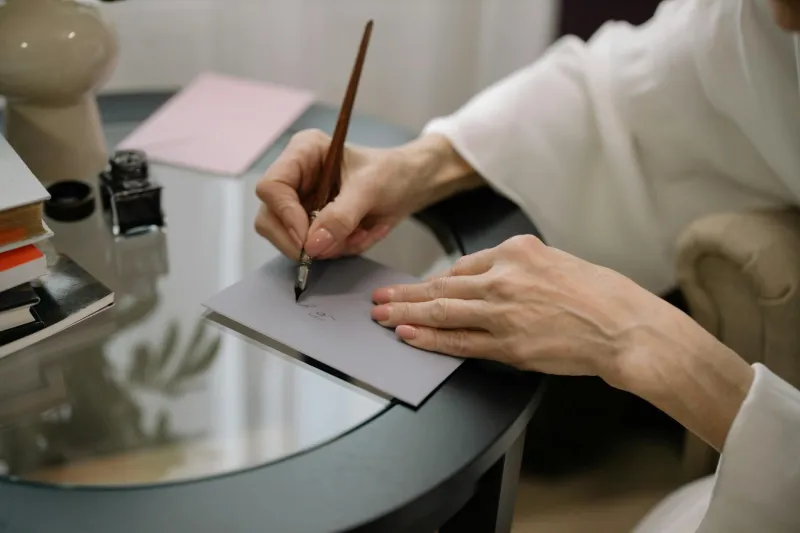
Margaret Sullivan sat at her kitchen table in Des Moines, fountain pen in hand, choosing her words as carefully as a jeweler selects stones. It was October 1943, and she was writing to her sister Eleanor in San Francisco — a letter that would take five days to cross the country by train, assuming the postal service ran on schedule.
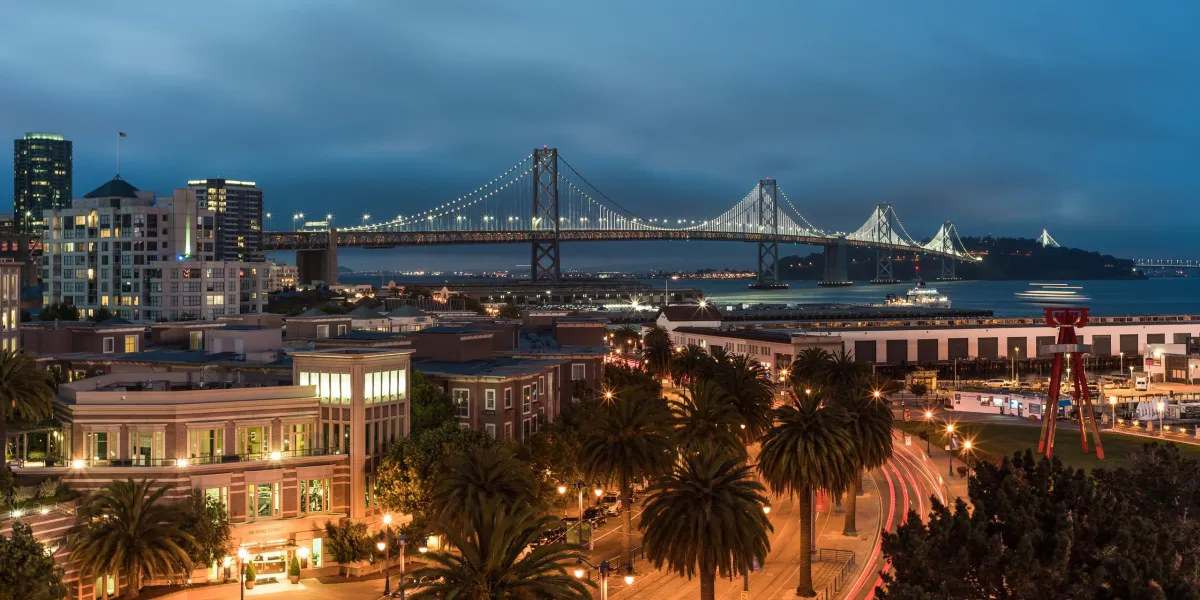 Photo: San Francisco, via media.cntraveler.com
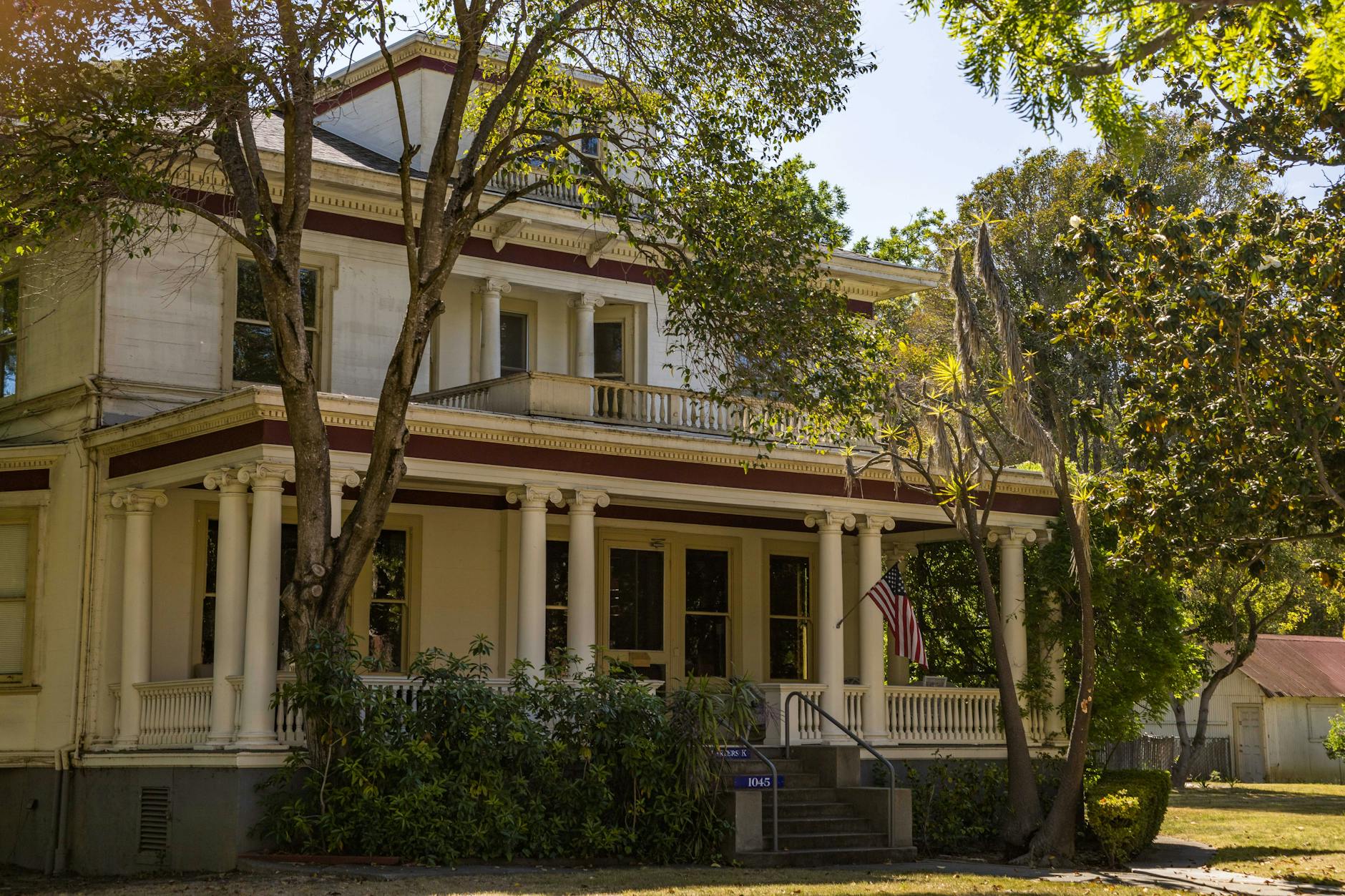
 Photo: Des Moines, via images.squarespace-cdn.com
Margaret couldn't fire off a quick thought and hit send. She couldn't take back words once they were committed to paper. Each sentence mattered because the next opportunity to communicate wouldn't come for weeks. So she wrote with intention, crafting paragraphs that painted pictures of her daily life, her hopes, her fears about the war, and the small moments that made up her world.
Eleanor would read that letter multiple times, savoring each detail, then spend days composing her reply with equal care.
Today, Margaret's great-granddaughter sends her sister seventeen text messages before lunch, most containing fewer words than Margaret used in a single, carefully constructed sentence.
The Lost Art of Slow Conversation
For most of American history, written communication moved at the speed of horses, trains, and ships. A letter from New York to California took weeks in the 1800s, days by the early 1900s. Even local mail within the same city required at least overnight delivery.
This friction created something unexpected: better writing. When you knew your words would travel slowly and be read carefully, you made them count.
Americans developed elaborate epistolary skills out of necessity. They learned to anticipate questions their recipients might have, to provide context and background, to paint complete pictures with words alone. Letters became miniature novels, filled with character development, scene-setting, and emotional depth.
"My grandmother's letters from the 1920s read like literature," says Rebecca Martinez, a historian at the University of Texas. "She could make a trip to the grocery store sound like an adventure. Every detail was vivid, every observation carefully chosen."
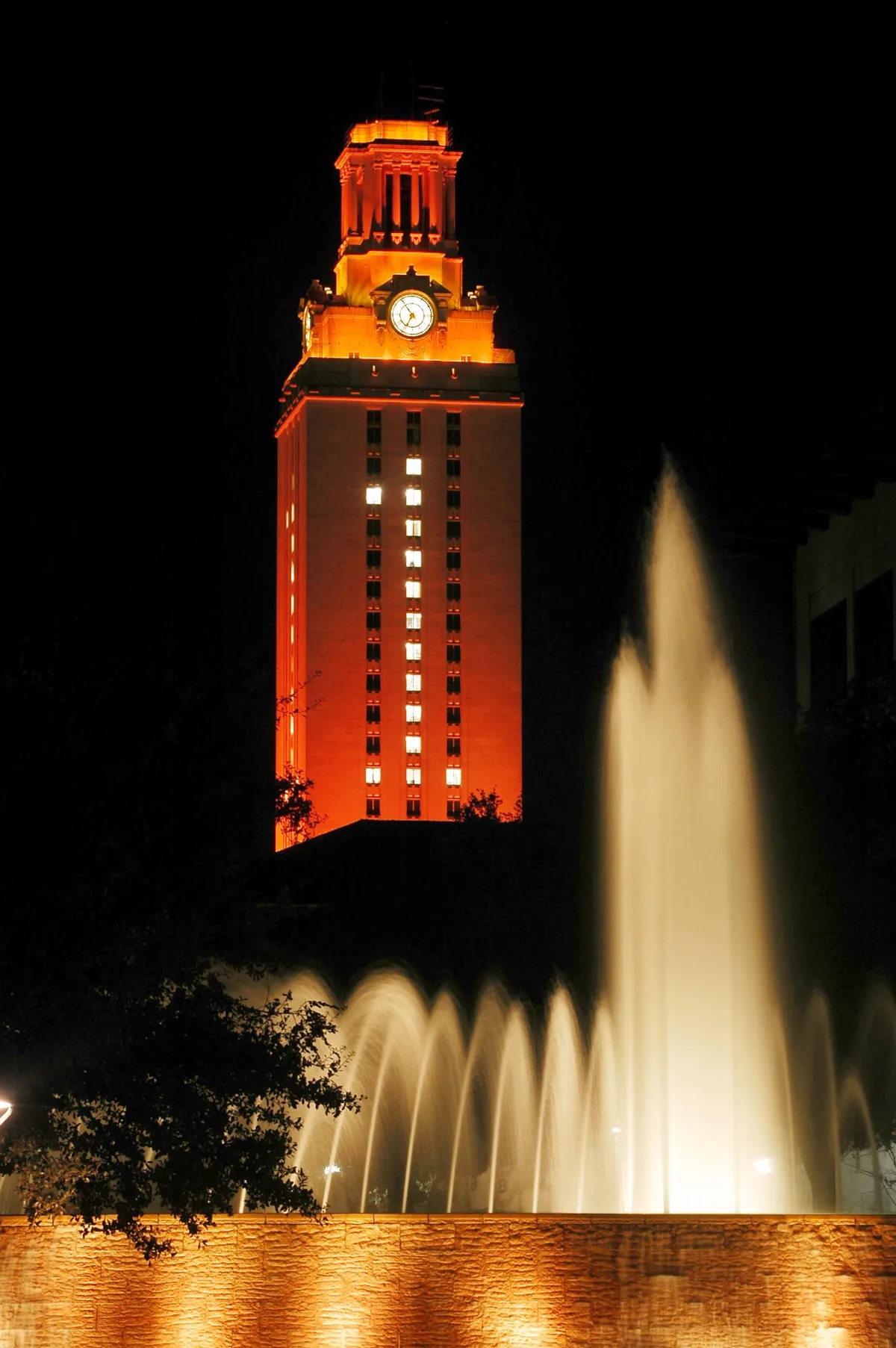 Photo: University of Texas, via blogs.mccombs.utexas.edu
When Distance Made Hearts Grow Eloquent
The geographical vastness of America made letter-writing essential for maintaining relationships. Families scattered across the continent by migration, war, and opportunity had no choice but to master long-distance communication.
These weren't brief updates or casual check-ins. Americans wrote lengthy, detailed accounts of their lives because they knew it might be their only chance to truly connect for weeks or months. Love letters between separated couples could run ten pages or more, exploring feelings with a depth that would seem almost embarrassingly intimate today.
Soldiers during World War II wrote home with particular eloquence, knowing their letters might be their last words to loved ones. These wartime correspondences, preserved in countless American attics, reveal a level of emotional expression that modern communication rarely achieves.
The Telegram's False Promise
When the telegraph arrived in the 1840s, Americans got their first taste of instant long-distance communication. But telegrams cost money by the word, forcing even urgent messages into compressed, almost poetic efficiency: "BABY BORN STOP HEALTHY GIRL STOP MOTHER WELL STOP COME SOON STOP."
This brevity was functional, not social. For real conversation, for relationship-building, for sharing the texture of daily life, Americans still reached for pen and paper.
Even the telephone, which arrived in middle-class homes by the 1920s, couldn't replace letters for serious communication. Long-distance calls were expensive and often required operator assistance. Letters remained the primary way to share complex thoughts and deep feelings.
The Speed That Killed Depth
Email promised to combine the best of both worlds — the immediacy of conversation with the thoughtfulness of writing. Instead, it created something entirely new: communication that was both instant and permanent, casual and documented.
The shift was gradual but profound. Email messages grew shorter over the decades. Then text messaging arrived, imposing even stricter limits on expression. Social media reduced complex thoughts to status updates. Finally, messaging apps turned conversation into a stream of rapid-fire exchanges, each message containing just a fragment of a complete thought.
"We've trained ourselves to communicate in headlines," observes Dr. James Patterson, who studies digital communication at Stanford. "The average text message contains fewer than 20 words. Compare that to letters from the 1940s that routinely ran 500 words or more."
What We Lost in Translation
Modern communication has gained speed and convenience, but it has sacrificed depth and deliberation. The constant availability of instant response has created an expectation of immediate feedback that makes sustained, thoughtful exchange nearly impossible.
We've also lost the physical artifacts of relationship. Margaret Sullivan's letters to her sister still exist in a shoebox in Eleanor's daughter's closet — tangible proof of their connection, documents that can be reread and treasured. Today's digital exchanges disappear into the cloud, searchable but not saveable in any meaningful sense.
Perhaps most importantly, we've lost the discipline of complete expression. When Margaret wrote to Eleanor, she had to include everything in one message — context, emotion, questions, and responses to previous letters. Modern communication assumes ongoing availability, so we never learn to craft complete, self-contained thoughts.
The Patience That Built Better Writers
The delays inherent in letter-writing created natural editing cycles. Americans would draft letters, set them aside, then return with fresh perspective before sending. The knowledge that words would be permanent and unretrievable encouraged careful word choice and thoughtful organization.
This practice developed writing skills that extended far beyond personal correspondence. The generation that grew up writing letters produced some of America's finest authors, journalists, and public speakers. They learned to construct arguments, paint pictures with words, and move readers emotionally — skills developed through years of necessary practice.
Today's instant communication eliminates this training ground. We send first drafts as final thoughts, correct mistakes with follow-up messages, and rarely experience the discipline of getting everything right the first time.
Dear Future: What Letters Taught Us
The transformation of American communication from deliberate letters to instant messages reveals more than technological progress — it shows how speed can impoverish expression even as it improves efficiency.
Margaret Sullivan's careful sentences, crafted in the quiet of her kitchen while her words traveled slowly across the continent, created connections that lasted lifetimes. Her great-granddaughter's rapid-fire texts create the illusion of constant contact while building relationships that often feel surprisingly shallow.
We've gained the ability to communicate with anyone, anywhere, at any time. We've lost the art of making those communications worth receiving. In optimizing for speed, we've forgotten that the best conversations — like the best journeys — are often improved by going slow.