The Ritual of Discovery
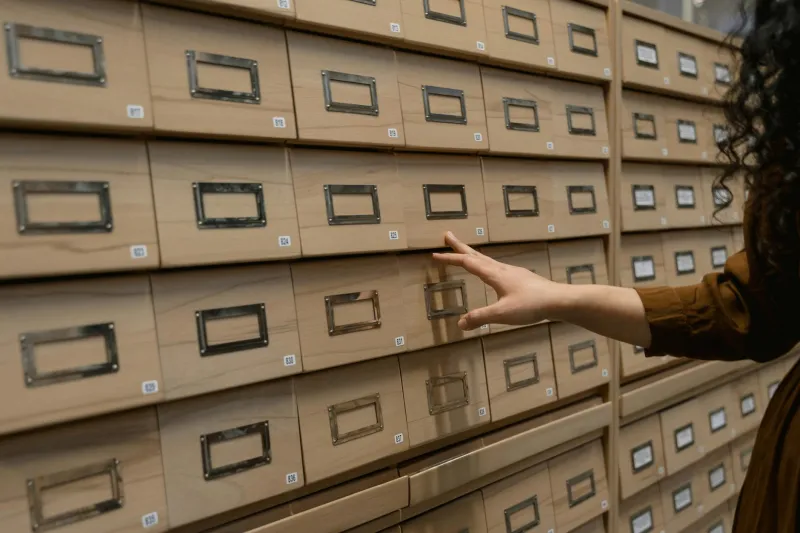
Picture this: It's 1985, and you're curious about the migration patterns of monarch butterflies. Your quest begins with a trip to the local library, where you'll spend the next two hours hunting through card catalogs, cross-referencing subjects, and eventually sitting cross-legged on the floor between towering shelves, surrounded by a fortress of books.
This wasn't inconvenience — it was how knowledge worked. Every fact required effort. Every answer demanded a journey.
The reference librarian wasn't just a helpful face behind a desk; she was your guide through an intricate maze of information. She knew which encyclopedias covered entomology, which journals published the latest research, and how to navigate the labyrinthine Dewey Decimal System that organized human knowledge into neat, numbered categories.
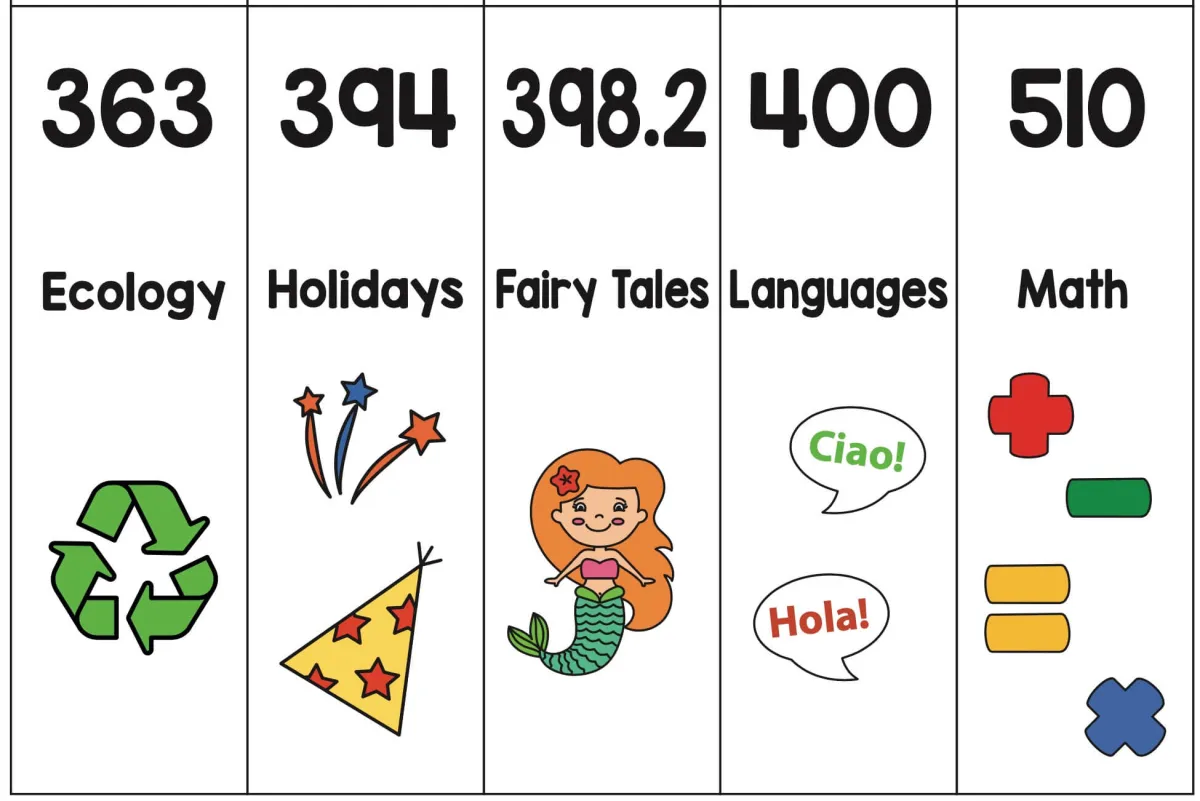 Photo: Dewey Decimal System, via rosiereader.com
The Weight of Information
Back then, information had physical weight. The Encyclopedia Britannica occupied three feet of shelf space and cost more than a month's rent. Families saved for years to own a complete set, treating those burgundy volumes like precious artifacts of human knowledge.
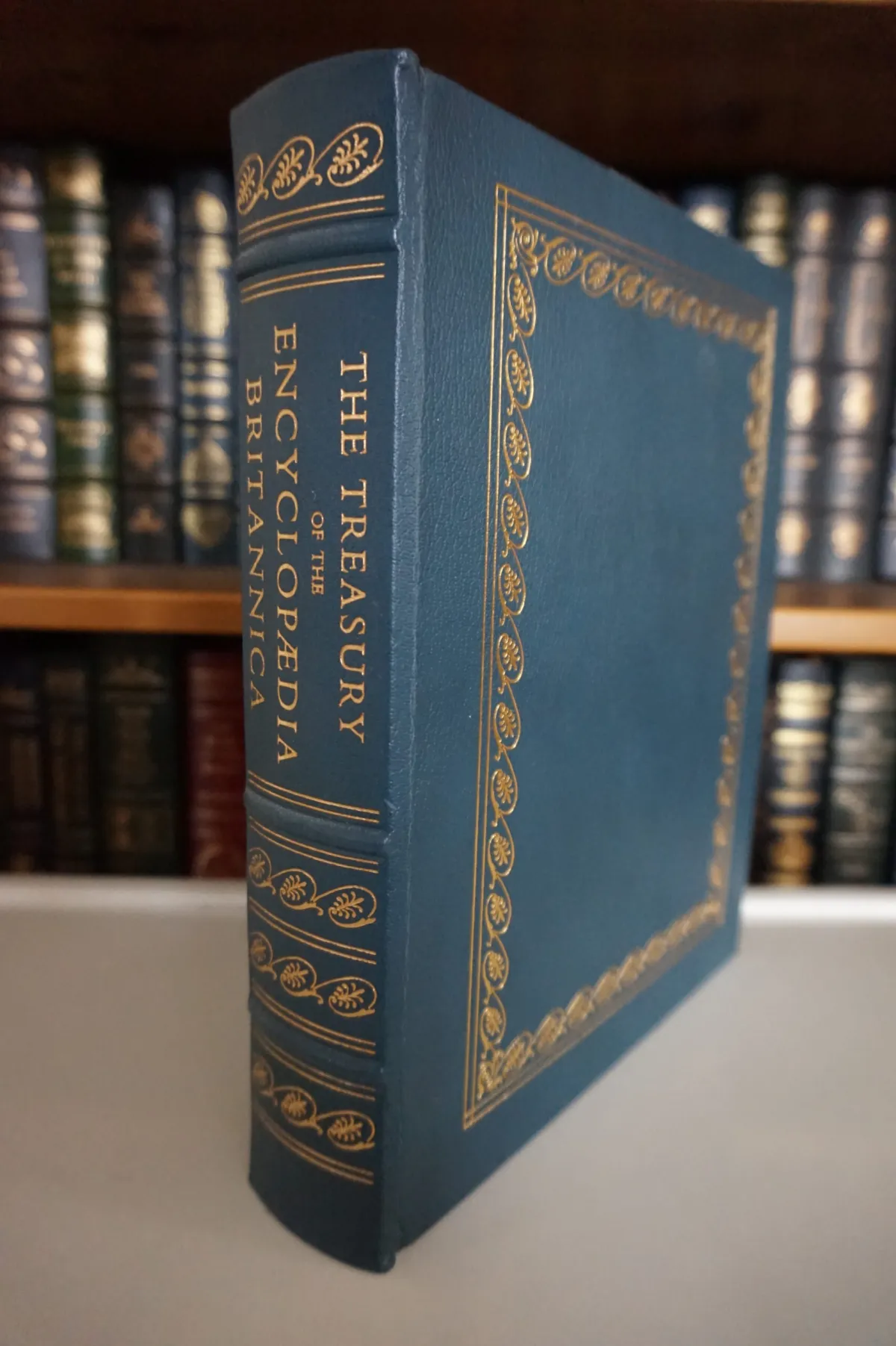 Photo: Encyclopedia Britannica, via gryphoneditions.com
When you finally located the information you sought, you didn't just glance and move on. You read deliberately, often copying key passages by hand into notebooks. The friction of the process — the walking, searching, writing — embedded facts deeper into memory. Your brain worked harder because it had to.
Research was collaborative by necessity. You'd ask fellow library patrons for help locating sources. Strangers would share tables and whisper recommendations about useful books. The pursuit of knowledge created temporary communities of curious minds.
The Patience Muscle
The old system built what we might call "patience muscles" — the ability to sustain effort without immediate gratification. Students learned to plan ahead, knowing that last-minute research meant limited options and potentially closed libraries. This cultivated time management skills that extended far beyond academic work.
More importantly, the difficulty of finding information made people better at evaluating what they found. When you'd spent an hour tracking down a single statistic, you naturally questioned its source, cross-referenced it with other materials, and considered its context. The effort invested made you a more discerning consumer of facts.
Today's Instant Everything
Now, that same monarch butterfly question gets answered in 0.23 seconds. Google delivers 2.4 million results before you finish typing. The information is accurate, comprehensive, and accompanied by high-resolution photos and videos that would have seemed miraculous in 1985.
But something subtle has shifted. When answers arrive instantly and effortlessly, we've lost the cognitive workout that came with seeking them. Studies show that people retain less information when they know it's easily retrievable later — a phenomenon researchers call "digital amnesia" or the "Google effect."
The Skills We Quietly Lost
The friction of pre-internet research taught skills we didn't realize we were learning. Following citation trails developed logical thinking. Dealing with incomplete or contradictory sources built tolerance for ambiguity. The physical act of note-taking improved retention and comprehension.
Today's students often struggle with information overload rather than information scarcity. They can access infinite sources but lack the filtering skills that previous generations developed through necessity. The abundance that should make us smarter sometimes leaves us more confused.
The Social Cost of Solitary Search
Perhaps most significantly, we've lost the social dimension of learning. The library was a shared space where curiosity brought people together. Research was often a group activity — families working on projects together, students forming study groups, neighbors helping each other navigate unfamiliar topics.
Now, we Google alone. Our searches are private, tracked by algorithms but invisible to human community. The questions that once sparked conversations now get answered in isolation, without the serendipitous discoveries that came from browsing physical shelves or chatting with librarians.
What We Can't Google
The internet excels at delivering facts but struggles with wisdom. The old system, with all its inefficiencies, taught patience, critical thinking, and the value of sustained effort. These weren't side effects of primitive technology — they were features that shaped how we learned to think.
When everything feels effortless, nothing feels valuable. The questions we ask have become more trivial, precisely because asking them costs us nothing. We've gained the world's information but lost the discipline that once made us worthy of it.
The library card was never just about borrowing books. It was a passport to a way of thinking that required effort, rewarded patience, and built the cognitive muscles we're still learning how to exercise in an age of infinite, instant answers.