The Then & Now File How different was the world before today?

The Then & Now File

How different was the world before today?

Latest Articles

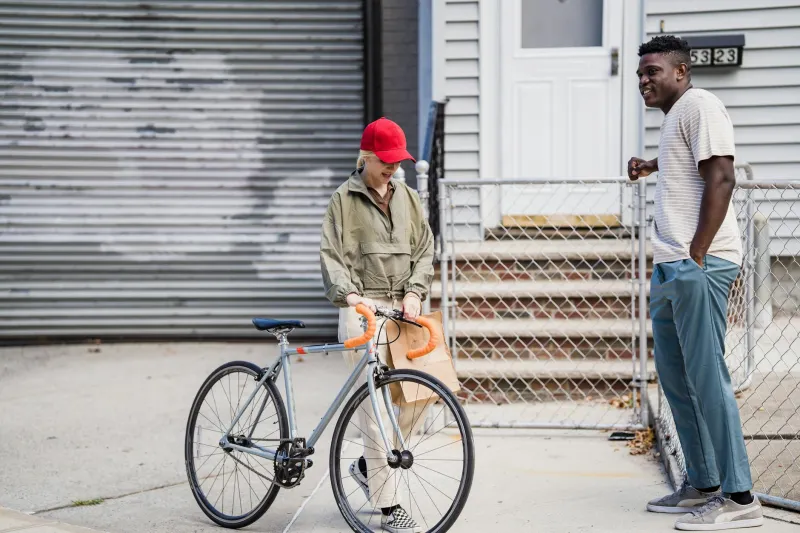
When Morning Meant the Clink of Glass Bottles — How America Lost Its Rhythm to Random Delivery Windows
Health

When Morning Meant the Clink of Glass Bottles — How America Lost Its Rhythm to Random Delivery Windows

The milkman arrived at 6 AM sharp every Tuesday and Friday, leaving fresh bottles that structured entire neighborhoods around reliable routines. Today's on-demand delivery promises convenience but delivers chaos — and we're paying for it with our sleep, stress levels, and sense of community.
When Darkness Meant Rest: How Americans Lost Two Hours of Sleep and Gained a Nation of Insomniacs
Health

When Darkness Meant Rest: How Americans Lost Two Hours of Sleep and Gained a Nation of Insomniacs

Before Edison's light bulb transformed American nights, our ancestors naturally slept nine hours and even practiced 'segmented sleep' with a midnight wake period for reflection. Today's sleep-deprived culture would be unrecognizable to them.

The Hardware Man Who Fixed Everything — Before We Started Throwing It All Away
Finance

The Hardware Man Who Fixed Everything — Before We Started Throwing It All Away

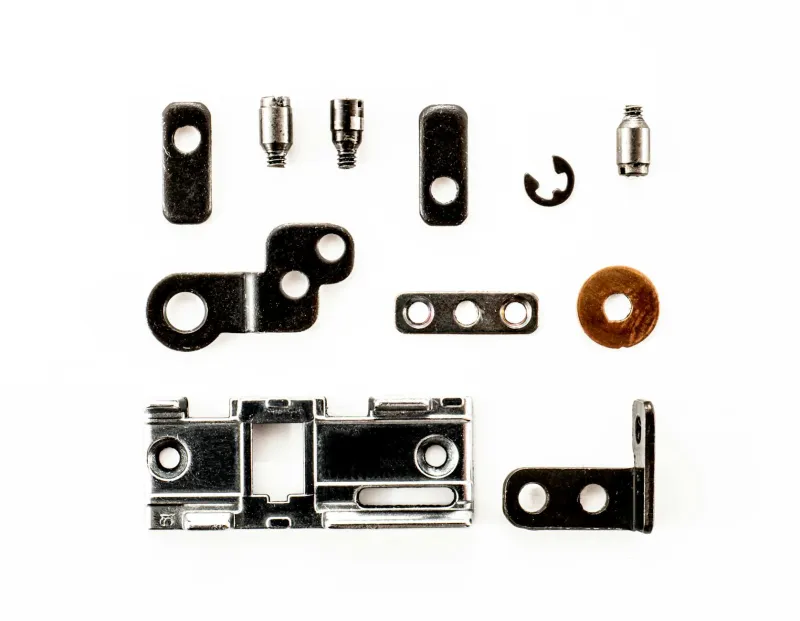
Every neighborhood once had a hardware wizard who could fix anything with a 15-cent part and five minutes of know-how. Now we navigate warehouse-sized stores alone, buying entire replacement units for problems that used to cost pocket change to solve.

When Your Neighborhood Had a Face: The Doorstep Economy That Built America's Trust
Finance

When Your Neighborhood Had a Face: The Doorstep Economy That Built America's Trust

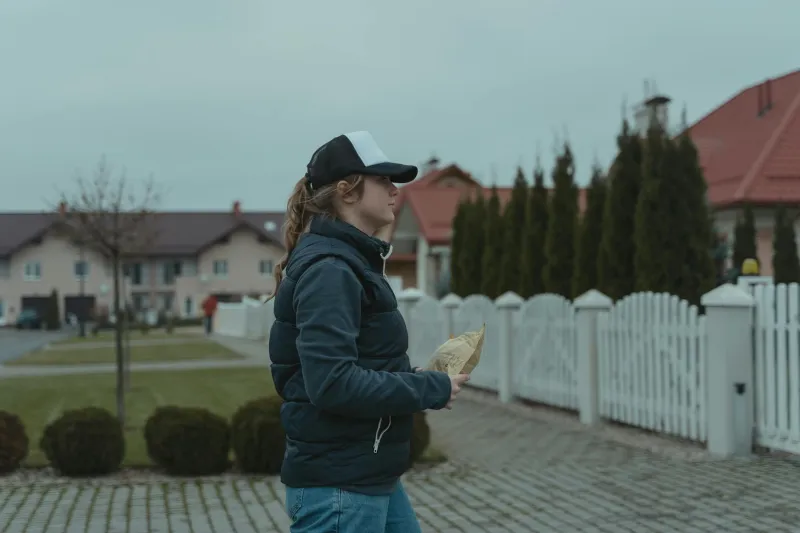
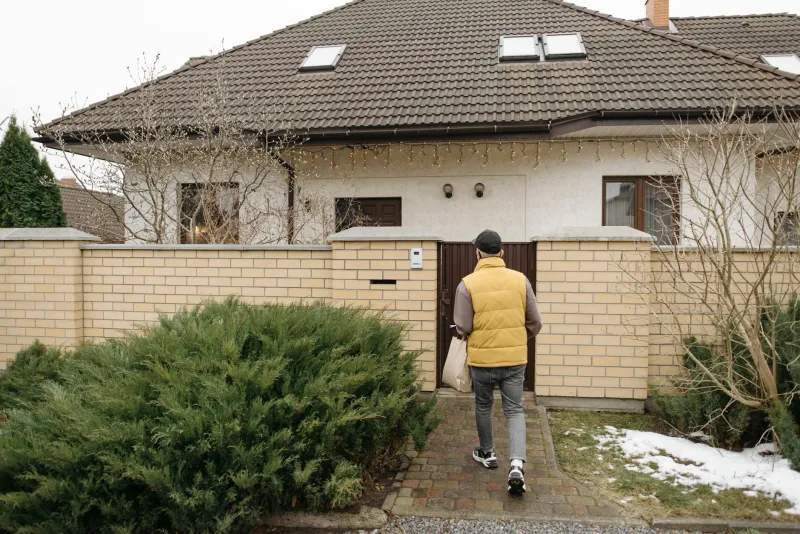
Before Amazon Prime and contactless delivery, a parade of familiar faces arrived at American homes each week — the milkman, iceman, and Fuller Brush salesman who knew your family by name. This personal economy created bonds of trust and accountability that today's anonymous delivery culture has completely erased.

Your Banker Knew Your Kids' Names — Now an Algorithm Decides Your Future
Finance

Your Banker Knew Your Kids' Names — Now an Algorithm Decides Your Future

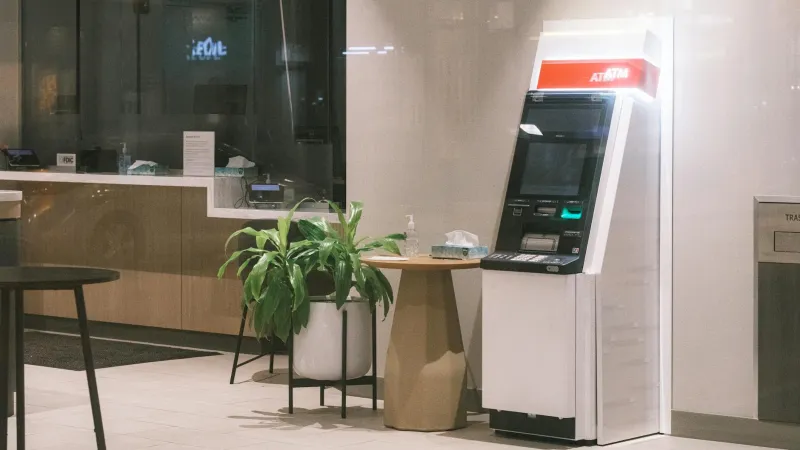
Community banks once operated like extended family, where your loan officer remembered your first job and your mortgage broker attended your wedding. Today's instant approvals and faceless apps have made borrowing faster, but at what cost to the human connections that once kept both banks and borrowers honest?

When a Man's Word Was Worth More Than His Signature: The Death of Trust in American Commerce
Finance

When a Man's Word Was Worth More Than His Signature: The Death of Trust in American Commerce

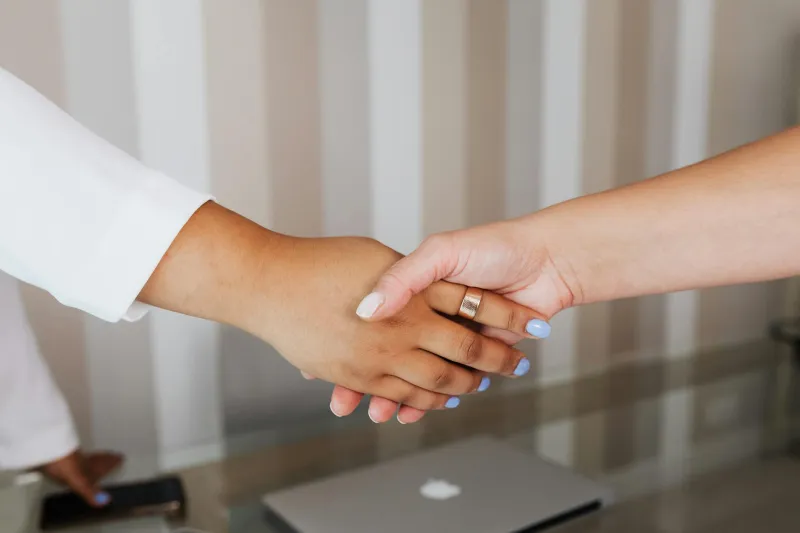
Three generations ago, million-dollar cattle deals closed with nothing but a handshake and a look in the eye. Today, buying a cup of coffee requires agreeing to terms and conditions. Here's the story of how American business lost its soul.

The Corner Drugstore Pharmacist Knew Your Allergies by Heart — Now Algorithms Fill Your Pills
Health

The Corner Drugstore Pharmacist Knew Your Allergies by Heart — Now Algorithms Fill Your Pills

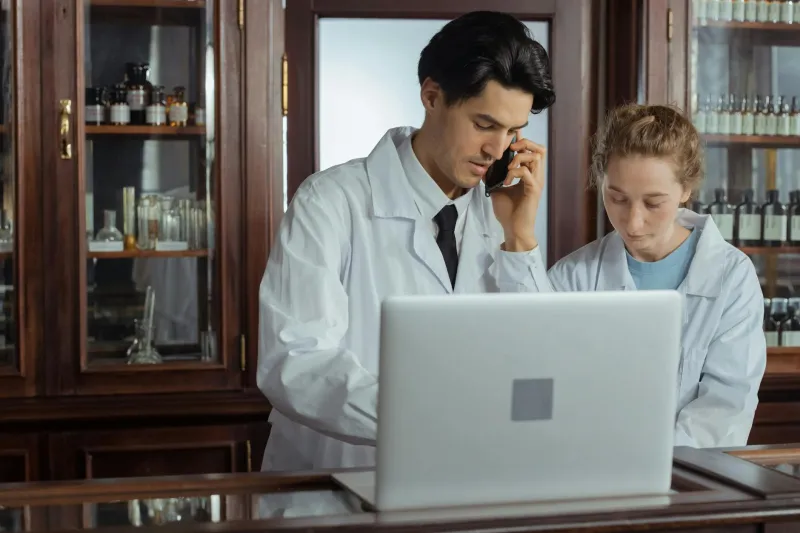
The neighborhood pharmacist once served as your family's medication guardian, catching dangerous combinations and offering trusted advice. Today's corporate pharmacy chains have replaced that personal touch with efficiency — but at what cost to our health?

America's Doorstep Economy: When Every Neighborhood Had Its Own Supply Chain
Finance

America's Doorstep Economy: When Every Neighborhood Had Its Own Supply Chain

Before we drove to supermarkets, America's essentials came to us—milk at dawn, bread by noon, and ice for the icebox. This hyperlocal economy employed millions and built communities around daily routines that modern delivery apps are only now trying to recreate.

The Family Doctor Who Knew Your Middle Name Has Vanished — And We're Sicker for It
Health

The Family Doctor Who Knew Your Middle Name Has Vanished — And We're Sicker for It

Once upon a time, your doctor delivered you, treated your scraped knees, and guided your parents through your teenage years. That same physician might have delivered your children too. Today's medical system has traded that intimate knowledge for efficiency — but what did we really lose in the bargain?

When Playgrounds Were Built to Break You — And Why Kids Were Better for It
Health

When Playgrounds Were Built to Break You — And Why Kids Were Better for It

American playgrounds once featured towering metal slides that scorched skin and merry-go-rounds that launched kids into orbit. Today's cushioned, engineered play spaces are undeniably safer — but what did we lose when we bubble-wrapped childhood?

When Photos Mattered: How We Lost the Weight of Memory in a Flood of Images
Finance

When Photos Mattered: How We Lost the Weight of Memory in a Flood of Images

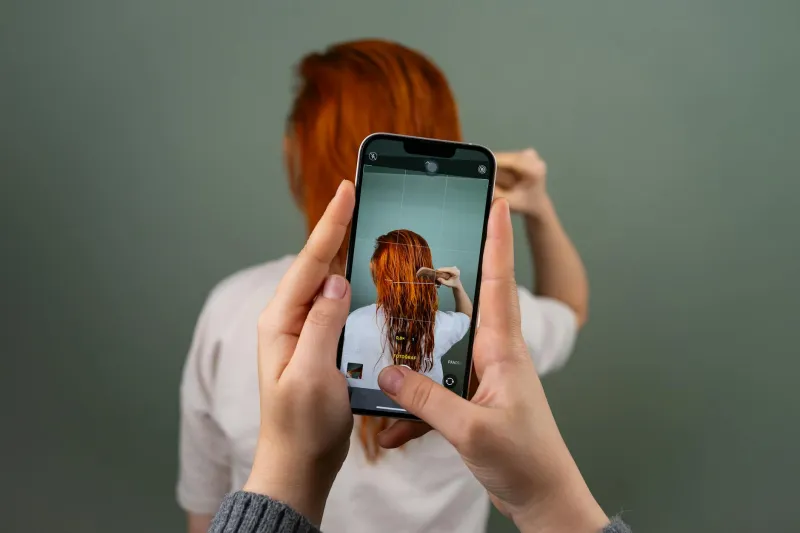
Fifty years ago, taking a family photograph meant planning, expense, and intention. A roll of film lasted months. A printed photo was precious. Now we shoot thousands of images daily, and almost none of them get printed or preserved. What do we gain in convenience—and what have we lost?

Mowing Lawns and Flipping Burgers Used to Fund Four Years of College. What Changed?
Finance

Mowing Lawns and Flipping Burgers Used to Fund Four Years of College. What Changed?

In 1975, a teenager could work a single summer and cover tuition for a year of state college. Today, that same job barely covers textbooks. We traced what happened to the math.

We Built Cities for Cars Instead of People—And Our Bodies Are Paying the Price
Health

We Built Cities for Cars Instead of People—And Our Bodies Are Paying the Price

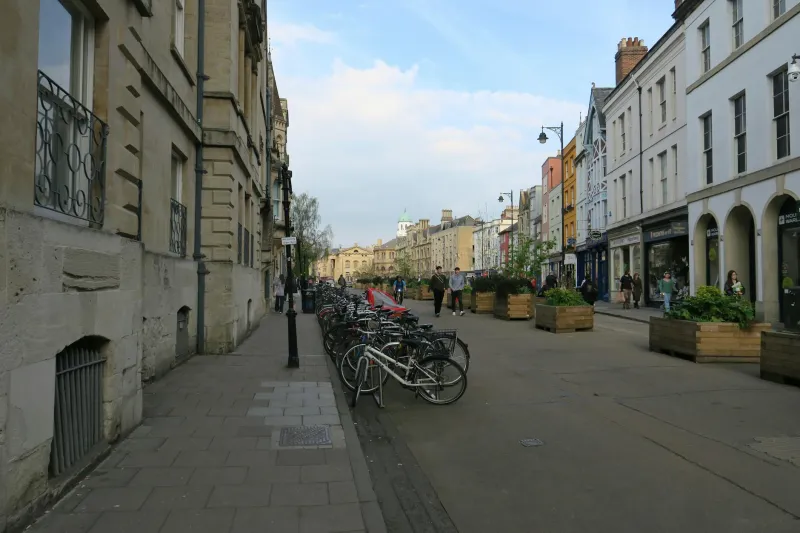
A century ago, Americans walked an average of 5 miles daily just living their lives. Today that number is closer to 1. The shift from walkable communities to car-dependent sprawl didn't just change how we move—it reshaped our bodies and our health in measurable ways.

Your Great-Grandmother's Backyard Fed Her Family. Yours Grows Nothing but Lawn Bills.
Health

Your Great-Grandmother's Backyard Fed Her Family. Yours Grows Nothing but Lawn Bills.

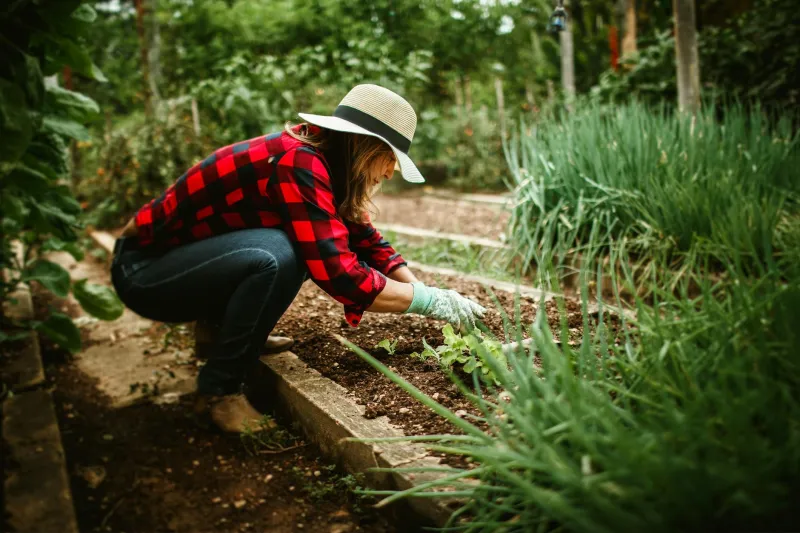
For most of American history, the backyard was a working space — producing vegetables, herbs, and eggs that meaningfully contributed to what families ate. The purely ornamental lawn is a postwar invention, and a surprisingly recent one. Today, a quiet but growing movement of Americans is rediscovering what their grandparents took for granted.

Lunch Was Sacred Once. Now We Eat Sad Salads Over a Spreadsheet.
Health

Lunch Was Sacred Once. Now We Eat Sad Salads Over a Spreadsheet.

There was a time when the midday break was genuinely sacred — a full stop in the working day, complete with hot food, conversation, and a walk back through town. Today, millions of Americans eat alone at their desks without even noticing what they've given up. Here's how one of the most human rituals in daily life quietly disappeared.

The Phone Numbers We Carried in Our Heads — and the Memory We Lost When We Stopped
Health

The Phone Numbers We Carried in Our Heads — and the Memory We Lost When We Stopped

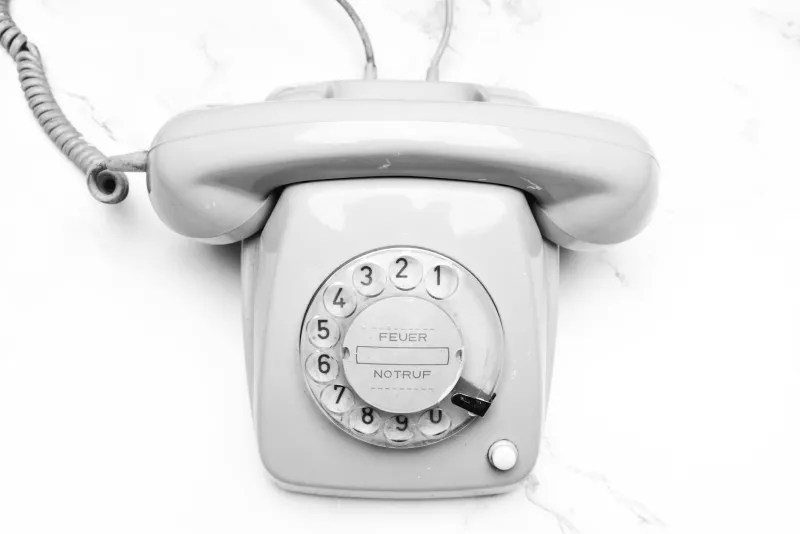
A generation ago, most Americans could rattle off a dozen phone numbers without blinking. Today, many of us can't recall our own partner's number without checking our contacts. This isn't just a quirky side effect of the smartphone era — researchers say it may represent a genuine and lasting shift in how our brains handle memory.

The Vanishing Kitchen: How Two Generations Forgot How to Feed Themselves
Health

The Vanishing Kitchen: How Two Generations Forgot How to Feed Themselves

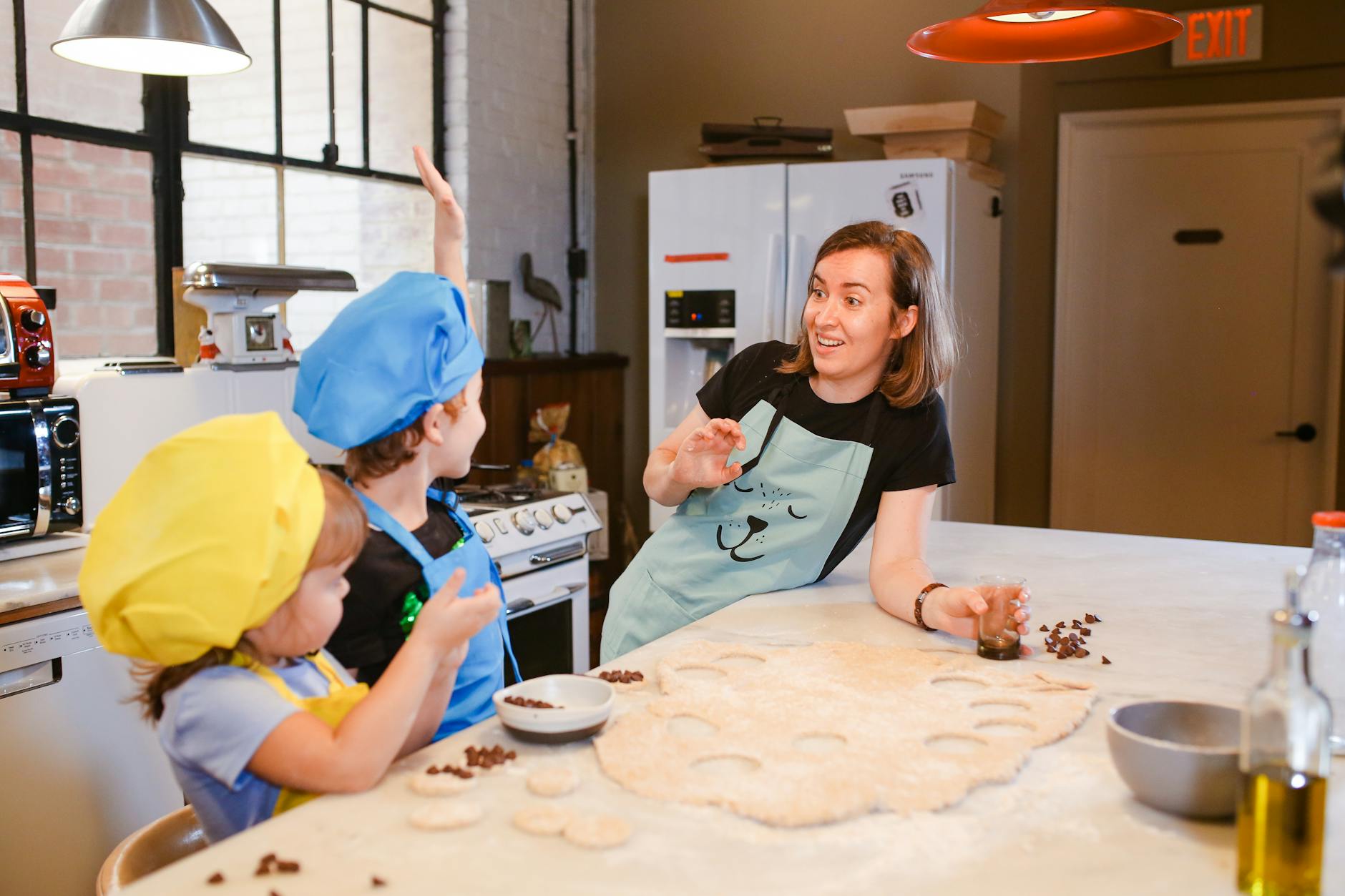
A century ago, cooking from scratch wasn't a lifestyle choice — it was simply what people did. Today, a growing number of Americans can't reliably make a meal from raw ingredients. How did one of humanity's oldest skills quietly disappear from everyday life, and what does it mean for our health?

Friday Night at the Lanes: How Bowling Held America Together — and What We Lost When We Stopped Showing Up
Health

Friday Night at the Lanes: How Bowling Held America Together — and What We Lost When We Stopped Showing Up

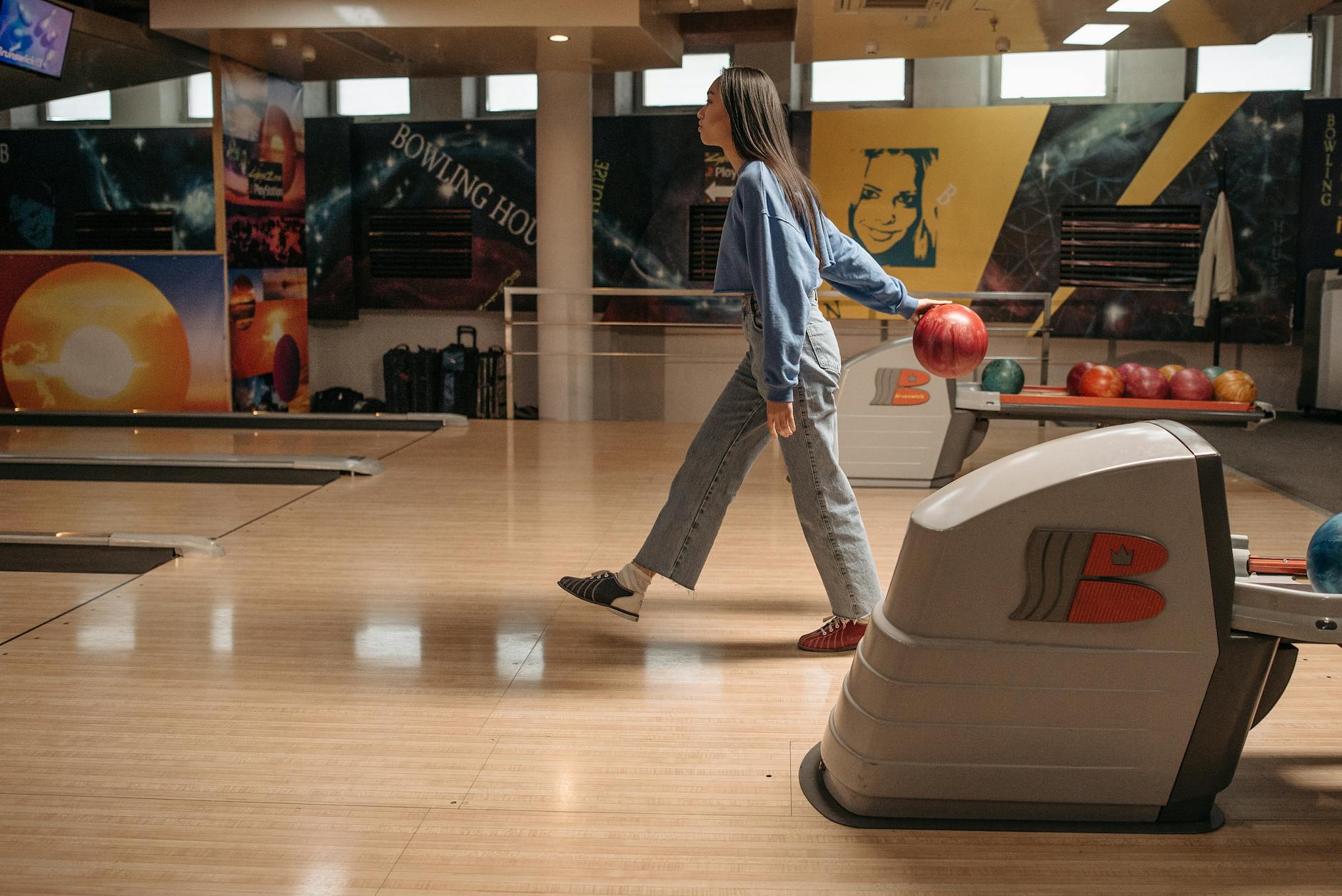
For decades, bowling wasn't just a sport — it was a standing weekly appointment that kept neighborhoods connected. Then, almost without warning, the lanes went quiet. The story of how America's most social pastime faded tells us something uncomfortable about the way we live now.

The Homes That Knew How to Stay Cool — Before We Stopped Asking Them To
Travel

The Homes That Knew How to Stay Cool — Before We Stopped Asking Them To

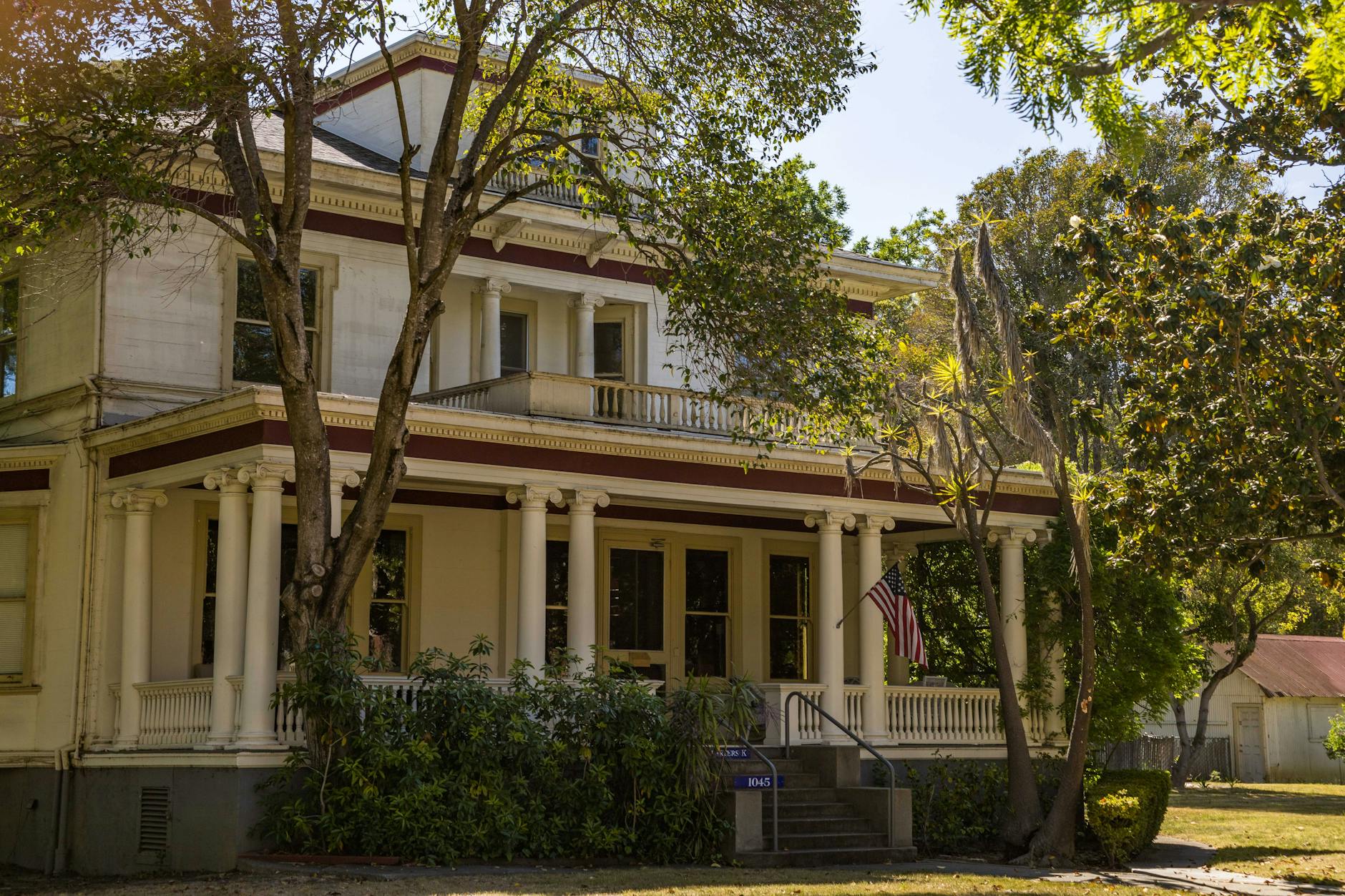
Long before central air conditioning existed, American builders designed homes that worked with the climate rather than against it — and they were remarkably good at it. Then one invention made all that knowledge unnecessary. Now, with energy costs rising and the climate shifting, architects are going back to the drawing board — and finding that the old answers were right there all along.

Your Grandfather Bought a House on One Salary. Here's What That Actually Means for You.
Finance

Your Grandfather Bought a House on One Salary. Here's What That Actually Means for You.

In the 1950s, a working-class American could buy a starter home on a single paycheck and have the mortgage paid off before his kids left high school. Today, that same dream stretches across three decades and demands two incomes just to stay afloat. Something changed — and it's bigger than interest rates.