The Long Wait That Could Kill You — How Medical Diagnosis Went From Weeks to Minutes
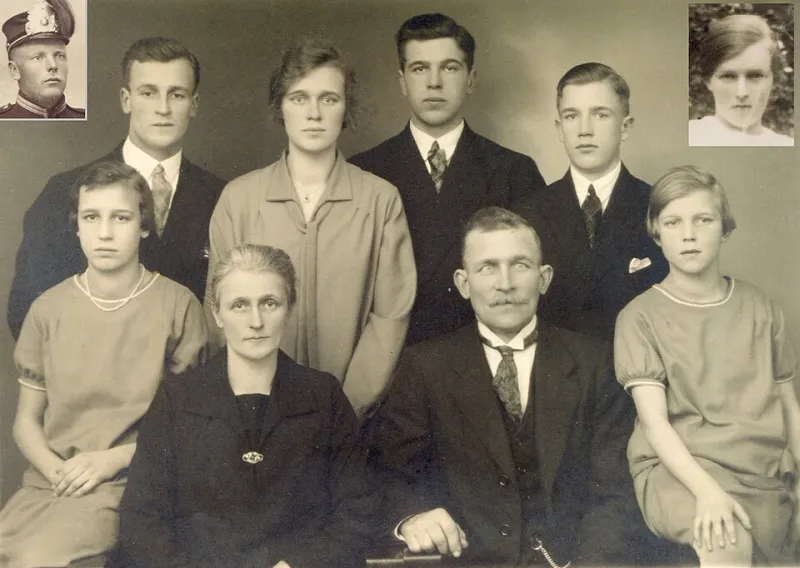
Imagine you're feeling off. Fatigue you can't shake. A lump that wasn't there last month. A cough that's gone on three weeks too long. Today, you pull up an app, book a same-day urgent care slot, and walk out with a printed result before lunch. But rewind fifty years, and that same concern would set off a chain of events that could stretch across months — months filled with referrals, waiting rooms, mailed envelopes, and a particular kind of dread that modern medicine has largely erased.
The story of how American diagnostics transformed is one of the most underappreciated chapters in the history of healthcare. And like most real progress, it came with trade-offs nobody fully anticipated.
When a Blood Test Was a Week-Long Event
In the 1960s and 1970s, getting a diagnosis was a slow, layered process. Your family doctor — if you had one — would see you, take notes, and decide whether your symptoms warranted further investigation. If they did, you'd be referred to a specialist, and that appointment might be three to six weeks out. Blood work was sent to a central lab, often in another city. Results came back by mail, or occasionally by phone, and your doctor would then schedule a follow-up to discuss them.
From first symptom to confirmed diagnosis, even for something relatively straightforward, four to eight weeks wasn't unusual. For something more complex — a suspected autoimmune condition, an early-stage cancer, a thyroid disorder — the process could drag on for the better part of a year.
The waiting wasn't just inconvenient. It was psychologically brutal. Patients sat with uncertainty, often without any intermediate information, imagining the worst. Families planned around unknowns. And in some cases, the delay genuinely cost lives. Conditions that are highly treatable when caught early — certain cancers, infections, cardiac irregularities — became far more dangerous when the diagnostic clock ran slow.
The Technology That Changed Everything
The transformation didn't happen overnight, but the pace of change has been remarkable. The 1980s brought more automated lab equipment, cutting processing times significantly. The 1990s introduced digital imaging that could be read remotely. By the 2000s, urgent care clinics were proliferating across America, offering walk-in blood panels and rapid strep or flu tests with on-site results.
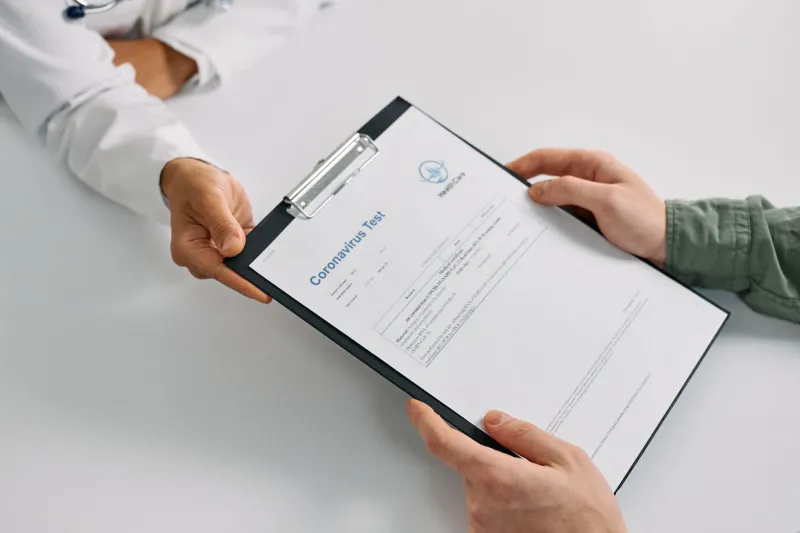
Then came the real acceleration. At-home pregnancy tests had been available since the late 1970s, but the concept exploded into mainstream healthcare culture. Today, you can test for COVID, strep throat, HIV, and dozens of other conditions from your kitchen counter. Continuous glucose monitors sit on diabetic patients' arms and transmit real-time blood sugar data to their phones. Smartwatches detect atrial fibrillation. Consumer genetic kits claim to map hereditary disease risk from a saliva sample.
The 2020 pandemic, for all its devastation, functioned as a forcing mechanism for diagnostic speed. Rapid testing became a national priority. Telehealth expanded by years in a matter of months. Americans who had never considered a virtual doctor's appointment were suddenly consulting physicians on their laptops before breakfast.
The result? A patient today can, in many circumstances, receive information about their own body faster and more conveniently than at any point in human history.
What Speed Gives You — and What It Doesn't
The gains are real and they matter. Earlier detection of serious illness saves lives — that's not a talking point, it's a documented clinical reality. Faster diagnosis means faster treatment. It reduces the psychological toll of uncertainty. It puts information directly in the hands of patients, which has genuine value in a healthcare system that can feel impersonal and opaque.
But physicians and researchers have started raising questions that are worth sitting with.
When a doctor spent an hour with a patient in 1965, they weren't just gathering data. They were listening for context — life stress, sleep habits, what a patient wasn't saying. The slow pace of old-school medicine, frustrating as it was, sometimes created space for that kind of observation. Today's urgent care model is built for throughput. The average primary care visit in America now lasts about eighteen minutes. Algorithms flag abnormal lab values, but they don't ask how you've been sleeping or whether you've been under unusual strain.
There's also the problem of information without interpretation. A patient who gets a flagged result from a consumer genetic test at 11 p.m. on a Tuesday has data but no context, no professional guidance, and a full night ahead to spiral. Rapid testing has outpaced the infrastructure needed to support patients emotionally and clinically when results land.
And there's a quieter concern: speed can breed overdiagnosis. When testing is easy, cheap, and fast, more tests get run. More incidental findings emerge. More patients end up in treatment pathways for conditions that may never have caused them harm. The medical community calls this overdiagnosis, and it's a genuine challenge that the push for faster, broader testing has amplified.
The Anxiety We Traded For a Different Anxiety
In some ways, Americans didn't eliminate diagnostic anxiety — they replaced one version with another. The old anxiety was about waiting too long to know. The new anxiety is about knowing too much, too fast, without enough support to process it.
Both are real. Both have costs.
What's undeniable is that the transformation of American diagnostics represents one of the more dramatic shifts in everyday life over the past half-century. The patient who sat by the mailbox waiting for a lab result in 1972 would be genuinely astonished by a world where a wristwatch can detect a heart arrhythmia mid-jog and send an alert to a cardiologist in real time.
Progress, in medicine as in most things, tends to solve one set of problems and surface a new one. The challenge now isn't getting answers faster. It's building a healthcare culture wise enough to know what to do with them.