The Layaway Jar and the Lost Art of Waiting to Own Something
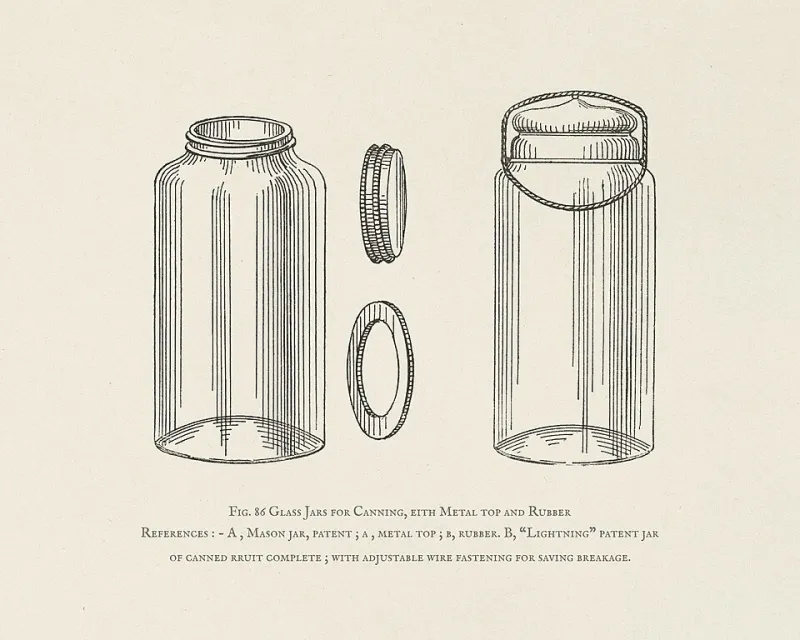
Photo: Rawpixel, CC BY-SA 4.0, via Wikimedia Commons
There's a jar on the kitchen shelf. It's an old pickle jar, cleaned out and relabeled in pencil on a strip of masking tape: New Refrigerator. Every Friday, after the paycheck clears, a few bills go in. The jar fills slowly — over months, sometimes over a year. And when it's finally full, the purchase is made in cash, in full, with no debt and no monthly statement to dread.
That scene played out in millions of American homes through the 1950s, '60s, and into the '70s. It wasn't a budget strategy or a financial hack. It was just how people bought things. The idea of owing money for a refrigerator — or a television, or a piece of furniture — carried a social weight that made many families genuinely uncomfortable.
Something fundamental has shifted since then. And it's not just about money.
When Patience Was Part of the Price
The post-war American consumer was, by modern standards, remarkably deliberate. The Great Depression had left a deep imprint on an entire generation. Debt was not neutral — it was associated with vulnerability, with losing control, with the specific terror of not being able to make a payment when things went wrong. People who had watched neighbors lose homes and farms to creditors in the 1930s didn't take borrowing lightly.
Layaway was the era's great compromise. Retailers like Sears, Kmart, and countless local department stores allowed customers to put a deposit on an item, make regular payments over weeks or months, and take the item home only when it was paid in full. No interest. No debt. The store held the merchandise; the customer built toward it.
Christmas shopping on layaway was a near-universal practice in working-class American households. Toys and clothes would be selected in October, paid off in installments through November, and picked up just before the holiday. Children didn't always know what was coming. Parents knew exactly what they'd spent.
Beyond layaway, the savings jar was real — not a metaphor, but a literal object. Families kept envelopes or containers earmarked for specific goals. A vacation. A new car. A washing machine. The physical act of watching money accumulate toward something concrete created a relationship between effort and ownership that was visceral and direct.
When the purchase finally happened, it meant something. The thing was yours, completely, from the moment you carried it out the door.
How the Walls Came Down
Consumer credit didn't arrive without warning. Installment buying had existed since the early twentieth century — Henry Ford's customers could finance a Model T as far back as the 1920s. But it was the explosion of credit cards in the 1960s and '70s that fundamentally rewired American consumer psychology.
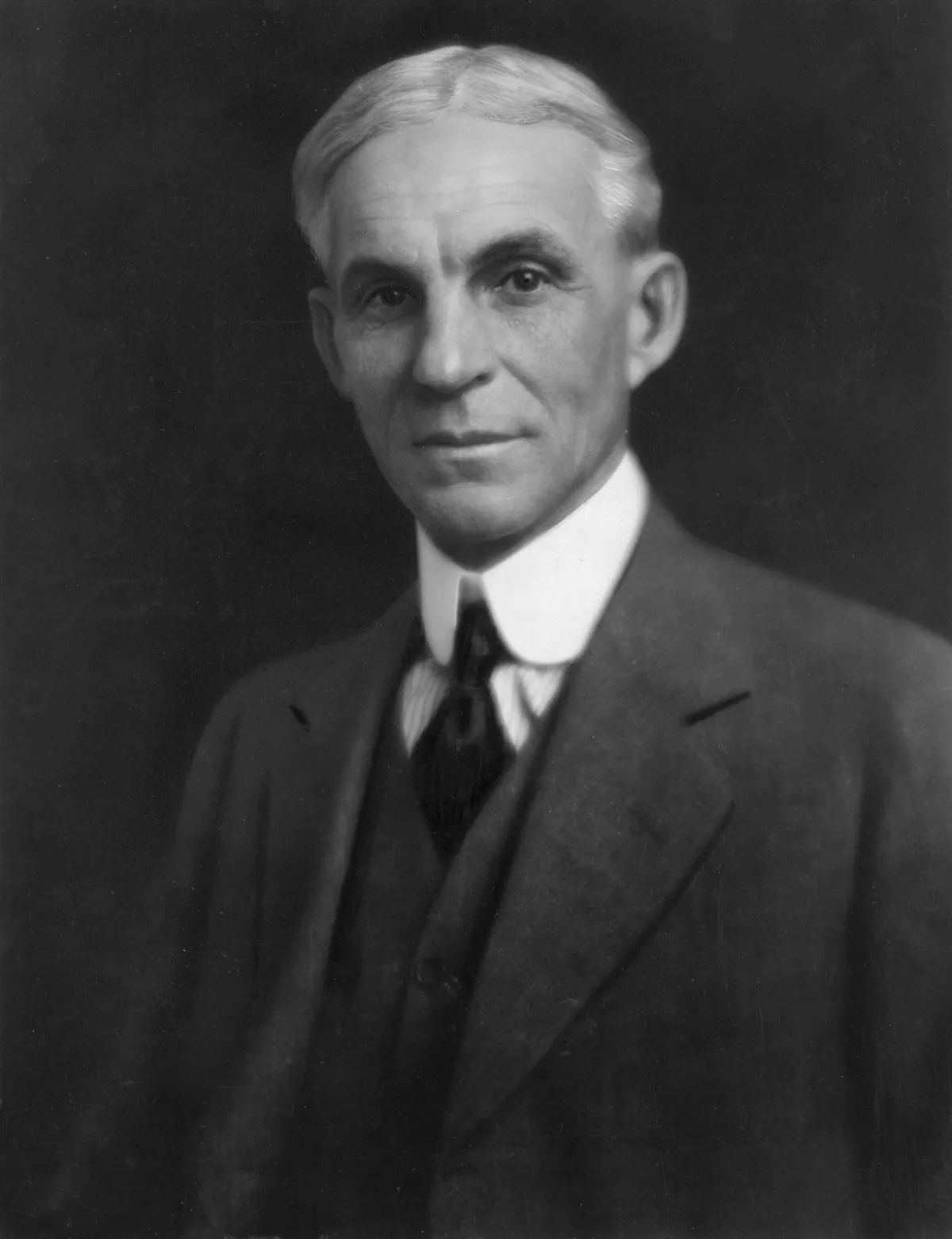 Photo: Henry Ford, via cdn.britannica.com
The BankAmericard, launched in 1958 and later rebranded as Visa, brought revolving credit to ordinary households for the first time. Suddenly, the gap between wanting something and having it collapsed. You didn't need the money. You needed the card.
By the 1980s, the culture had shifted measurably. Carrying a balance on a credit card stopped being a source of shame and became a normal financial state. Advertising leaned into immediacy — why wait? became the implicit message behind nearly every major retail campaign. The deliberate, patient consumer of the 1950s began to look quaint, even foolish, by comparison.
And then the 2000s arrived with a new vocabulary entirely.
The Age of Owning Nothing Outright
Today's American consumer inhabits a landscape almost unrecognizable to the pickle-jar generation.
Subscription models have replaced ownership across entire categories of life. You don't buy software — you pay monthly for access to it. You don't own your music library — you rent it from a streaming platform that can change its catalog or its pricing at will. Cars are increasingly leased rather than purchased. Furniture companies now offer monthly rental arrangements. Even some clothing brands have moved to subscription models where garments are rotated rather than owned.
Buy Now, Pay Later services — Afterpay, Klarna, Affirm — have made installment debt feel frictionless and modern, stripping away the social weight that once made Americans hesitant to borrow for small purchases. You can now split a $40 online order into four interest-free payments with two taps on a phone screen.
The result is a consumer economy where the true cost of almost anything is genuinely difficult to calculate. Monthly payments obscure totals. Subscription fees accumulate invisibly. A household paying $15 here, $12 there, $9 somewhere else may be spending hundreds of dollars monthly on services they've half-forgotten they have.
A 2022 survey by C+R Research found that Americans underestimate their monthly subscription spending by an average of nearly $133. The pickle jar made the total impossible to ignore. The subscription economy is specifically engineered so you don't have to think about it.
What the Waiting Actually Did
There's a psychological dimension to this shift that goes beyond personal finance.
Behavioral economists have documented what earlier generations understood instinctively: delayed gratification changes your relationship to the thing you eventually get. When you save for something over months, you make the decision dozens of times — every week when you add to the jar, every time you pass the item in the store and choose not to buy it yet. By the time you own it, you've invested not just money but attention and intention.
That process built a different kind of consumer. One who repaired things rather than replaced them. One who thought carefully before buying because buying required genuine sacrifice. One who felt real ownership — psychological as well as legal — over the objects in their home.
Instant acquisition produces a different relationship. Studies suggest that items purchased impulsively or on credit are used less, valued less, and discarded sooner. The friction of saving wasn't a flaw in the old system. It was doing important work.
The File Doesn't Close Here
None of this is an argument for returning to a world without credit or convenience. Accessible financing has allowed millions of Americans to build equity, start businesses, and weather emergencies that would have been catastrophic under a strict cash-only model.
But the shift from the savings jar to the subscription model is worth examining honestly. When ownership becomes optional and patience becomes unnecessary, something changes in how we relate to the things around us — and to money itself.
The pickle jar on the shelf wasn't just a savings tool. It was a daily reminder of what something was worth, and what it cost to have it. That particular kind of clarity is harder to come by now.